
12 Green Workplace Initiatives That Boost Morale and Cut Costs
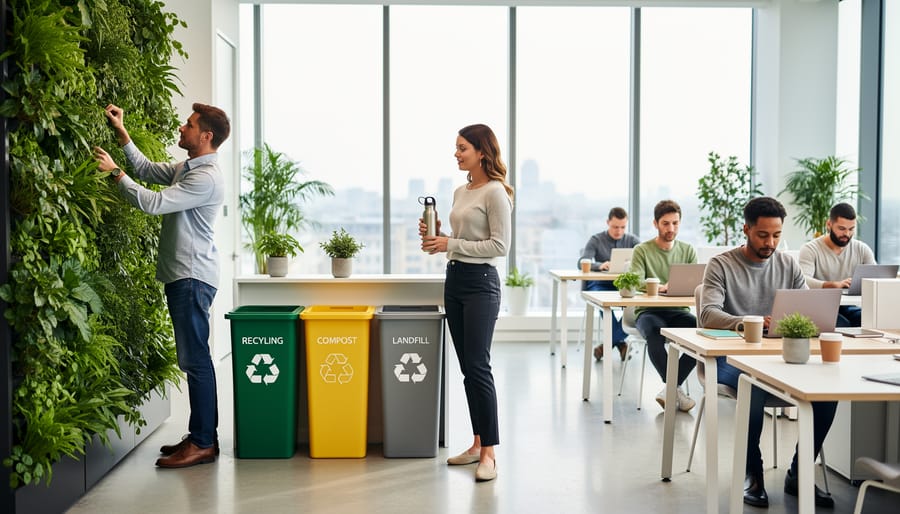
12 Green Workplace Initiatives That Boost Morale and Cut Costs
Green initiatives in the workplace range from simple switches to comprehensive programs, but the most successful ones share a common thread: they engage employees, reduce operational costs, and strengthen your organization’s reputation as an employer of choice. Companies implementing environmental programs report up to 30% higher employee retention and measurably improved recruiting outcomes, particularly among younger talent who prioritize sustainability when evaluating potential employers.
The connection between green initiatives and workforce success isn’t coincidental. When organizations invest in environmental responsibility, they signal to current and prospective employees that they’re forward-thinking, values-driven, and committed to making a positive impact. This matters deeply in today’s competitive talent market, where job seekers increasingly screen potential employers based on their environmental and social commitments.
What follows are 12 concrete green initiatives you can implement in your workplace, regardless of your organization’s size or industry. Each example includes practical implementation steps and measurable benefits, from reducing energy consumption and waste to creating employee-led sustainability programs that boost engagement and morale.
Whether you’re an HR professional looking to enhance your employee value proposition, a hiring manager seeking to attract purpose-driven talent, or a business leader ready to reduce costs while doing good, these examples provide a clear starting point. You’ll find quick wins that deliver immediate impact alongside longer-term strategies that transform your workplace culture and bottom line.
Why Green Workplace Initiatives Matter for Recruitment and Retention
Today’s job seekers evaluate potential employers through an environmental lens, and HR professionals who ignore this shift risk losing top candidates to competitors with visible sustainability commitments. Research shows that 70% of professionals consider a company’s environmental policies when making career decisions, with this percentage climbing even higher among millennials and Gen Z workers entering the workforce. These aren’t casual preferences, environmental values now rank alongside salary and benefits as primary decision factors for many candidates.
Green workplace initiatives serve as tangible proof of organizational values, transforming abstract mission statements into observable action. When candidates see solar panels on the roof, bike racks at the entrance, or paperless onboarding systems, they recognize alignment between stated values and daily practices. This authenticity matters deeply in recruitment marketing where credibility separates compelling employer brands from empty promises.
The retention benefits extend beyond initial hiring decisions. Employees who share their employer’s environmental commitments demonstrate higher engagement scores, longer tenure, and greater willingness to advocate for the organization. They feel pride in their workplace and connection to something larger than daily tasks. For staffing agencies and HR teams building long-term talent strategies, this creates a reinforcing cycle where sustainability attracts engaged employees who then become ambassadors, drawing similar candidates through referrals and positive reviews.
The competitive advantage grows more pronounced as environmental concerns intensify. Organizations without clear green initiatives face skepticism from candidates who question whether leadership values align with their own, potentially narrowing the talent pool to those who don’t prioritize sustainability, a shrinking demographic each year.
How We Selected These Green Workplace Initiatives
We evaluated dozens of potential green workplace initiatives before selecting these twelve, applying a rigorous framework designed specifically for HR professionals and staffing agencies. Our selection criteria ensured each initiative delivers tangible value beyond environmental benefits.
First, we prioritized measurability. Each initiative included here produces trackable results, whether energy savings, waste reduction percentages, or participation rates. You can demonstrate ROI to leadership with concrete data, not vague sustainability claims.
Second, we focused on scalability and ease of implementation. Whether you’re managing a five-person staffing firm or a large HR department, these initiatives work. We excluded programs requiring specialized infrastructure or massive upfront investments that put them out of reach for smaller organizations.
Cost-effectiveness ranked equally important. Every initiative either reduces expenses, pays for itself within reasonable timeframes, or requires minimal initial investment. We understand budget constraints, particularly in staffing environments where margins matter.
Finally, we selected initiatives with documented employee engagement benefits. These programs don’t just check environmental boxes, they actively improve workplace culture, boost morale, and support the recruitment and retention goals central to your role. Each initiative empowers your team while advancing sustainability.
1. Remote and Hybrid Work Policies

Remote and hybrid work policies stand as one of the most impactful green initiatives you can implement. When employees work from home even two days per week, your organization can reduce its carbon footprint by 20-40% per employee through eliminated commutes alone. You’ll also see significant decreases in office energy consumption, less heating, cooling, and lighting needed when fewer people occupy your workspace.
For HR professionals looking to optimize these policies, start by conducting a carbon baseline assessment. Calculate current commuting emissions using employee addresses and commute methods. Then set measurable reduction targets tied to your hybrid schedule. Three days in-office, two remote typically offers the sweet spot between collaboration and environmental impact.
Consider implementing “green workdays” where entire departments work remotely on designated days, allowing you to power down entire office sections. Provide home office stipends that include energy-efficient equipment like LED desk lamps and laptop stands that improve ergonomics while reducing power draw.
One staffing agency in Portland reduced their office space by 30% after shifting to a 3-2 hybrid model, cutting energy costs by $18,000 annually. Their employees reported higher satisfaction scores, with 87% citing improved work-life balance. The key was establishing clear communication protocols and investing in collaboration tools that kept teams connected despite the distance.
2. Energy-Efficient Office Equipment and Lighting
Switching to energy-efficient office equipment delivers immediate environmental benefits and long-term cost savings that directly impact your bottom line. LED lighting alone cuts energy consumption by up to 75% compared to traditional incandescent bulbs and lasts 25 times longer, reducing both electricity bills and maintenance costs.
Start by replacing old fluorescent fixtures with LED panels and task lighting. Pair this with occupancy sensors that automatically turn off lights in empty conference rooms and break areas, this simple addition can reduce lighting costs by an additional 20-30%.
For office equipment, prioritize ENERGY STAR-certified devices when replacing computers, monitors, printers, and copiers. These models use 25-50% less energy than standard versions while maintaining full functionality. A certified printer, for instance, enters low-power mode faster and uses significantly less energy during idle periods, which makes up most operating time in typical offices.
Smart thermostats represent another high-impact upgrade. Programmable systems adjust heating and cooling based on occupancy schedules, cutting HVAC costs by 15-20% annually. As an HR professional, you can advocate for these changes by presenting clear ROI data to leadership and tracking energy bill reductions monthly. Many utility companies offer rebates that offset initial equipment costs, accelerating payback periods.
3. Digital-First Document Management
Switching to digital-first document management eliminates thousands of sheets of paper annually while streamlining your HR workflows. Electronic onboarding platforms replace physical forms with digital signatures, automated workflows, and centralized candidate information that’s accessible anywhere. Cloud-based applicant tracking systems store resumes, contracts, and performance reviews without filing cabinets, reducing both paper consumption and office space requirements.
The efficiency gains are immediate. Digital systems cut onboarding time by 40-60% compared to paper processes, letting your team focus on meaningful employee development instead of shuffling paperwork. Searchable databases make retrieving documents instant rather than requiring someone to dig through physical files for 15 minutes.
Start your transition by digitizing new hires first, implement e-signatures for offer letters and onboarding packets. Next, scan frequently accessed documents like employee handbooks and training materials. Choose HR software with mobile accessibility so hiring managers can review candidate profiles from anywhere. Set a policy that all new documents default to digital unless legally required in paper form. Most staffing agencies recover their software investment within eight months through reduced printing, storage, and administrative time costs.
4. Comprehensive Recycling and Composting Programs
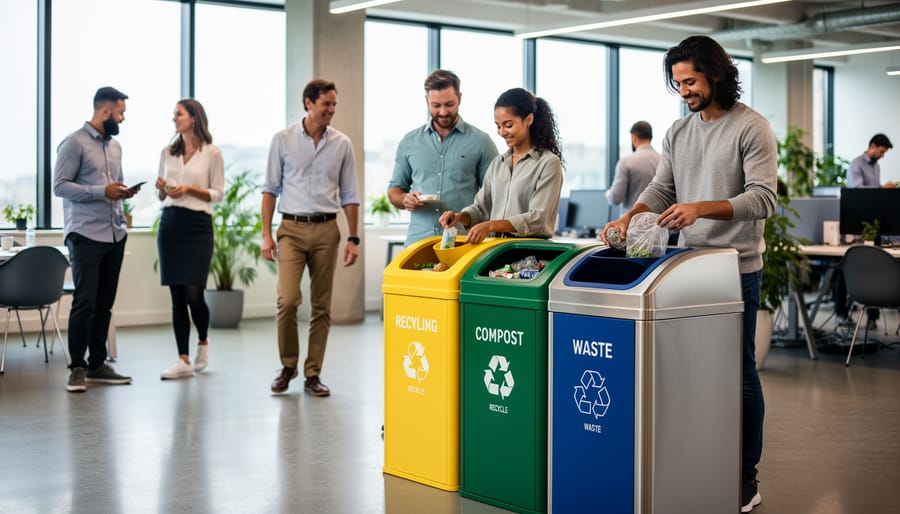
A comprehensive recycling and composting program transforms waste management from an afterthought into a visible demonstration of your company’s environmental commitment. For HR professionals, these programs offer an easy entry point into sustainability, they’re familiar, relatively low-cost, and create daily touchpoints that keep green values front-of-mind for your entire team.
Start by conducting a waste audit to understand what your office actually discards. Most workplaces generate significant amounts of recyclable materials:
- Paper, cardboard, and office documents
- Plastic bottles, aluminum cans, and glass containers
- Electronic waste like old keyboards, monitors, and phones
- Batteries and printer cartridges
Position clearly labeled collection stations in high-traffic areas like kitchens, copy rooms, and near exit doors. Color-coded bins with visual guides reduce contamination and make proper sorting effortless.
Break room composting tackles food waste, which often comprises 30-40% of office trash. Partner with a local composting service or establish a small outdoor compost bin if you have exterior space. Provide desktop composting guides that show what belongs in each bin, coffee grounds and fruit scraps yes, meat and dairy typically no.
For electronics, establish an e-waste partnership with certified recyclers who handle data destruction securely. Schedule quarterly collection events where employees can bring personal electronics too, extending the benefit beyond work hours.
The key to program success lies in employee education. Launch with a brief training session, send monthly tips via email, and celebrate milestones like “500 pounds diverted from landfills this quarter.” When people understand the impact and see leadership participation, recycling becomes habit rather than hassle.
5. Sustainable Commuting Incentives
Sustainable commuting programs transform the daily journey to work into an opportunity for environmental impact and employee well-being. These initiatives reduce carbon emissions while demonstrating that your organization values work-life balance and personal health.
Start with transit subsidies that cover partial or full costs of public transportation passes. Many employees want to reduce their carbon footprint but find the expense prohibitive. By offsetting these costs, you remove a financial barrier while reducing parking demand and commute stress. Some companies offer tiered subsidy programs that increase benefits based on tenure, linking sustainability directly to retention.
Bike-to-work programs work well in urban and suburban settings. Provide secure bike storage, shower facilities if possible, and monthly mileage incentives. One staffing firm implemented a simple program offering $50 quarterly bonuses to regular bike commuters, seeing participation jump from three to seventeen employees within six months.
Carpooling coordination through apps or internal matching systems helps employees connect with colleagues living nearby. Designate priority parking spots for carpool vehicles as a visible recognition of participation.
Electric vehicle charging stations signal forward-thinking values that attract environmentally conscious talent. While installation requires upfront investment, tax incentives often offset 30-40% of costs. Even starting with two charging spots demonstrates commitment to sustainable infrastructure that resonates with job candidates evaluating company culture.
6. Green Employee Training and Development
Sustainability training transforms environmental responsibility from an abstract concept into practical skills your team can apply daily. Offer workshops on waste reduction, energy conservation, or sustainable supply chain practices as part of your regular professional development calendar. These sessions equip employees with knowledge they can use at work and home, creating ambassadors for your green initiatives.
Partner with environmental organizations or certified trainers to deliver credible content. Topics might include carbon footprint analysis, circular economy principles, or green procurement strategies. When you recruit and empower employees through education, you’re building leadership capacity that extends beyond environmental issues.
Consider certification programs that recognize employees who complete sustainability training. This creates accountability and gives team members credentials that enhance their professional profiles. Connect training graduates with your green team ideas and initiatives, allowing them to apply their learning immediately. Training shows you invest in growth while advancing your environmental goals, a combination that strengthens both culture and retention.
7. Eco-Friendly Office Supplies and Materials
Switching to eco-friendly office supplies delivers immediate environmental wins without disrupting daily operations. Start with the basics: recycled-content paper (look for 30% post-consumer waste minimum), refillable pens and markers, and reusable desk accessories instead of disposable options.
For cleaning products, companies like Seventh Generation and Method offer non-toxic, biodegradable alternatives that protect both employee health and waterways. These products typically cost 10-15% more upfront but reduce sick days and improve indoor air quality, creating measurable ROI.
When purchasing furniture, prioritize GREENGUARD-certified pieces that limit chemical emissions. Consider refurbished office furniture from vendors like Rework or local suppliers, which cuts costs by 40-60% while preventing landfill waste. Desks and chairs from sustainable materials like bamboo or reclaimed wood signal environmental commitment to candidates during office tours.
Create a simple purchasing policy requiring sustainability criteria for all office supply orders above a certain threshold. Partner with vendors like EcoEnclose for shipping materials or establish a preferred supplier list that prioritizes green certifications. Small changes in procurement multiply across hundreds of purchases annually, making this one of the most scalable initiatives for HR teams to champion.
8. Water Conservation Measures

Water conservation in office settings delivers immediate cost reductions while addressing a critical environmental challenge. Installing low-flow faucets and dual-flush toilets can cut water usage by 20-40% without affecting functionality. These fixtures cost roughly $50-200 per unit but typically pay for themselves within 18 months through reduced water bills.
Water-efficient dishwashers and ice makers in break rooms use 30-50% less water than standard models. When replacing appliances, prioritize ENERGY STAR-certified options that meet strict efficiency standards. For offices with outdoor spaces, smart irrigation systems with rain sensors prevent unnecessary watering and can reduce landscape water use by up to 50%.
Employee awareness campaigns amplify these physical improvements. Simple signage near sinks reminding staff to report leaks creates accountability. Consider monthly water usage tracking displayed on bulletin boards or in team emails, visibility drives behavioral change. One staffing agency in Phoenix reduced water consumption by 35% within six months by combining fixture upgrades with employee education, saving $4,200 annually while demonstrating environmental leadership that resonated with eco-conscious job candidates during recruitment efforts.
9. Green Team or Sustainability Committee
A green team transforms environmental responsibility from a top-down mandate into a grassroots movement that employees truly own. By creating a dedicated sustainability committee, you give staff members across departments a platform to propose, champion, and implement eco-friendly changes that reflect their values and creativity.
Start by recruiting 5-8 volunteers from different departments and seniority levels. This cross-functional mix brings varied perspectives and ensures initiatives address needs across your organization. Include representation from operations, HR, facilities, and frontline staff, not just those already passionate about sustainability. Diverse voices uncover blind spots and generate buy-in across teams.
Establish a manageable meeting rhythm. Monthly 45-minute sessions work well for most teams, giving enough time to review progress and plan next steps without overwhelming participants who have primary job responsibilities. Create a rotating facilitator role so leadership development happens naturally within the group.
Give your green team real authority to implement low-cost initiatives without excessive approval processes. Let them control a modest quarterly budget, even $500 can fund recycling signage, reusable kitchenware, or educational workshops. When employees see their suggestions actually happen, participation grows organically.
Track both environmental metrics and engagement indicators. Monitor waste diversion rates and energy savings, but also celebrate participation numbers, employee feedback scores, and how many departments contributed ideas. This dual measurement shows leadership that your green team delivers business value beyond carbon reduction.
Recognize contributions publicly. Feature team members in company newsletters, acknowledge their work in all-hands meetings, and include sustainability involvement in performance reviews. This visibility attracts future volunteers and signals that environmental stewardship matters to your organization’s identity and success.
10. Sustainable Vendor and Partner Selection
Sustainable vendor partnerships transform your organization’s environmental impact beyond your office walls. When staffing agencies and HR teams evaluate suppliers through a sustainability lens, they amplify their green initiatives across entire supply chains.
Start by adding environmental criteria to your vendor evaluation rubrics. Request information about suppliers’ waste reduction programs, energy sources, and packaging practices before signing contracts. Ask training providers about digital course materials versus printed workbooks. Question office supply vendors about recycled content percentages and carbon-neutral shipping options.
Prioritize local vendors when quality and cost align with your needs. A local IT support company or catering service reduces transportation emissions while strengthening community connections. Many regional training consultants offer virtual delivery, cutting travel-related carbon output entirely.
Create a formal green procurement policy that outlines minimum sustainability standards for new vendor relationships. Include requirements like ISO 14001 environmental management certification or documented carbon reduction targets. This policy gives your purchasing team clear guidelines and signals your values to potential partners.
Review existing contracts during renewal periods. Many vendors have improved their sustainability practices and welcome the opportunity to share those updates. Some will adjust their offerings when they understand environmental considerations influence your purchasing decisions.
11. Office Plants and Biophilic Design
Adding greenery to your workspace does more than beautify the office. Indoor plants actively improve air quality by filtering toxins like formaldehyde and benzene while boosting oxygen levels. Studies show that employees in plant-filled environments report 15% higher productivity and reduced stress levels compared to sterile office settings.
Biophilic design goes beyond placing a few potted plants on desks. It incorporates natural light through strategic window placement and unobstructed views, uses nature-inspired color palettes, and integrates natural materials like wood and stone into furniture and finishes. Even images of nature on walls can positively impact mood and focus.
For HR professionals, this initiative supports employee well-being in tangible ways. Start with low-maintenance plants like pothos, snake plants, or ZZ plants that thrive in office conditions. Position them near workstations and in common areas where teams gather. Rearrange furniture to maximize natural light exposure, particularly for employees spending long hours at computers.
The investment is minimal, but the returns in morale, reduced absenteeism, and enhanced workspace appeal during candidate tours make biophilic design a practical sustainability initiative that directly supports recruitment and retention goals.
12. Carbon Footprint Measurement and Transparency
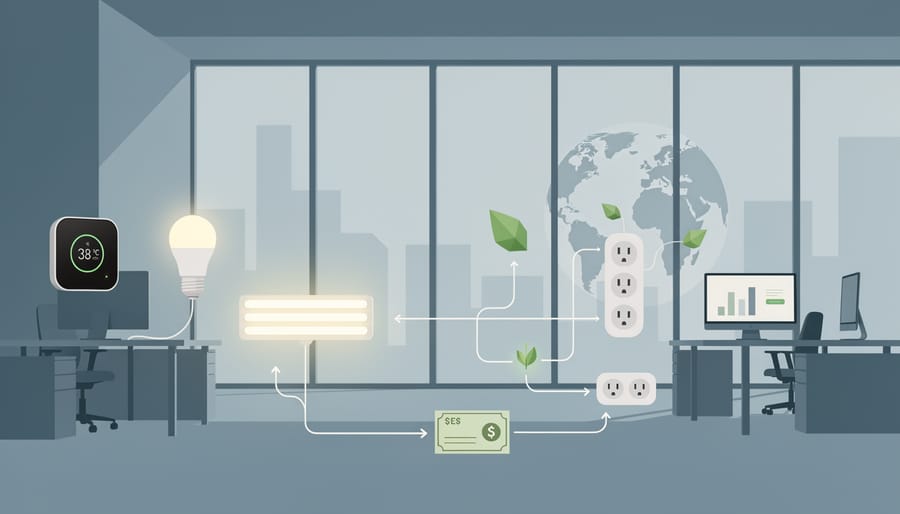
Measuring your organization’s carbon footprint transforms vague sustainability commitments into concrete action. Start with accessible tools like the EPA’s Portfolio Manager or specialized platforms such as Watershed, CarbonChain, or Greenly that calculate emissions across operations, travel, and supply chains. These platforms typically integrate with existing business systems to track energy consumption, employee commuting patterns, and vendor activities.
Set specific, time-bound reduction goals rather than aspirational statements. A staffing agency might target a 15% emissions reduction over two years by combining remote work expansion with energy-efficient office upgrades. Break larger goals into quarterly milestones that teams can actually influence.
Transparency matters as much as measurement itself. Share carbon footprint data through regular employee updates, dashboard displays, or quarterly reports that show real progress. When candidates ask about your environmental values during interviews, concrete numbers like “we’ve reduced our carbon emissions by 12% this year” carry far more weight than generic sustainability claims.
This openness builds trust with both current employees and prospective talent who increasingly evaluate employers based on authentic environmental commitment. Younger professionals especially value organizations that measure what matters and share honest progress reports, viewing transparency as evidence of integrity that extends beyond environmental issues into workplace culture overall.
Implementing Green Initiatives in Your Staffing or HR Team
Starting your green initiative journey doesn’t require a complete organizational overhaul. Begin by assessing what you already have, audit your current practices to identify low-hanging fruit. A small staffing firm might start with digital-first onboarding, while a larger HR department could pilot remote work policies for specific teams.
Prioritize initiatives based on three factors: potential impact, implementation cost, and alignment with your team’s existing workflows. If your office already uses cloud storage, transitioning to paperless HR processes is a natural next step. Limited budget? Focus on behavioral changes like recycling programs or sustainable commuting incentives that require minimal upfront investment.
Securing leadership buy-in means speaking their language. Present green initiatives as business solutions, not just environmental wins. Frame remote work policies as retention tools that reduce overhead. Position energy-efficient equipment as long-term cost savings with measurable ROI. Include concrete numbers whenever possible, projected savings, employee engagement scores, or recruitment advantages.
Start with a single initiative and document everything. Track baseline metrics before implementation, monitor progress quarterly, and celebrate visible wins with your team. Share success stories in company communications and recognize employees who champion sustainability efforts.
Build momentum gradually. Once your first initiative shows results, you’ll have the credibility and data to expand. Small, consistent steps create lasting change and position your organization as an employer of choice for environmentally conscious talent.
Common Questions About Green Workplace Initiatives
What does starting a green workplace program actually cost? Most initiatives require minimal upfront investment. Digital documentation systems and recycling programs cost almost nothing to implement, while energy-efficient equipment pays for itself through reduced utility bills within 12-18 months. Many staffing firms start with zero-cost changes like remote work policies or employee-led green teams, then reinvest savings from lower energy bills into additional programs.
How long before we see measurable results? Immediate wins include reduced paper costs and lower energy consumption within the first quarter. Employee engagement and retention benefits typically become visible within six months, while carbon footprint reductions show measurable progress annually. Track both financial metrics and participation rates to demonstrate value to leadership quickly.
What if employees don’t participate in our sustainability programs? Connect green initiatives to what employees already value, cost savings through commuting benefits, healthier workspaces with plants and natural light, or professional development through sustainability training. Recruit changemakers in 2026 from within your team to champion specific programs. When employees see tangible personal benefits rather than just corporate mandates, participation increases naturally.
Can small staffing firms with tight budgets realistically implement green initiatives?
Absolutely. Start with free changes like digital-first processes, flexible work policies, and employee-led sustainability committees. These deliver immediate cost savings without capital investment.
How do we measure the ROI of environmental programs?
Track utility bill reductions, paper and supply cost savings, employee retention rates, and candidate feedback during recruitment. Many firms see 15-30% cost reductions in targeted areas within the first year.
What’s the single best green initiative for HR teams to start with?
Digital document management transforms HR operations immediately, eliminating printing costs, improving efficiency, and reducing storage needs while demonstrating environmental commitment to candidates and employees.
The key is matching initiatives to your specific constraints and opportunities rather than trying to implement everything simultaneously.
Green workplace initiatives aren’t just about protecting the environment, they’re strategic investments in your organization’s future. As you’ve seen, these programs attract top talent, retain engaged employees, and reduce operational costs simultaneously. In 2026’s competitive hiring landscape, candidates increasingly evaluate potential employers based on their environmental values and actions.
You don’t need to implement all twelve initiatives tomorrow. Start with one that aligns with your current resources and company culture. Maybe that’s establishing a recycling program, introducing remote work flexibility, or forming a small green team. Track your results, celebrate early wins with your team, and use that momentum to expand.
Every initiative you implement signals to current and prospective employees that your organization values sustainability, innovation, and forward-thinking leadership. These aren’t just environmental programs, they’re demonstrations of the supportive, growth-oriented workplace culture that drives retention and attracts exceptional talent.
The HR professionals and hiring managers who champion these changes today position themselves as leaders in organizational development while building workplaces where people genuinely want to contribute. Your next hire might choose your company specifically because you took this step. Start now, start small, and watch both your environmental impact and your team’s engagement grow.
